Fuel poverty charity begins work on damp homes in Fishwick
A national fuel poverty charity has started work on Fishwick houses that have suffered from dampness and mould for the…
Posted on 12th June 2022 - 7:00amSir Mark HendrickMatt DaviesLabour (Co-op) MP for Preston Sir Mark Hendrick
A national fuel poverty charity has started work on Fishwick houses that have suffered from dampness and mould for the last nine years.
National Energy Action has launched the project to rectify long-standing issues arising from a 2013 national energy efficiency project that left Fishwick homeowners struggling.
The scheme should have made their homes warmer and healthier but had the opposite effect and led to severe dampness and mould and affected ’ health and wellbeing, with homeowners suffering for nine years after the incorrect installation of external wall insulation.
Adam Scorer, Chief Executive of National Energy Action, said, “As a charity, we try to put people at the heart of what we do.
“It’s important that we work closely with people in Fishwick to make sure that we avoid past mistakes.
“Insulation, done well, makes homes warmer and cuts the costs of heating, but it was not well for many in Fishwick, and they have paid a heavy price in homes that are not the warm and safe place they should be.
“We know that we cannot solve all the problems caused in 2013, but we hope to make things better for some of the worst affected households, and we will use the experience in Fishwick to press for action for people living in similar conditions.”
National Energy Action has commissioned contractors Seddon Construction to rectify the damage in line with their mission to ensure people have warm and safe homes, with work beginning on-site this week.
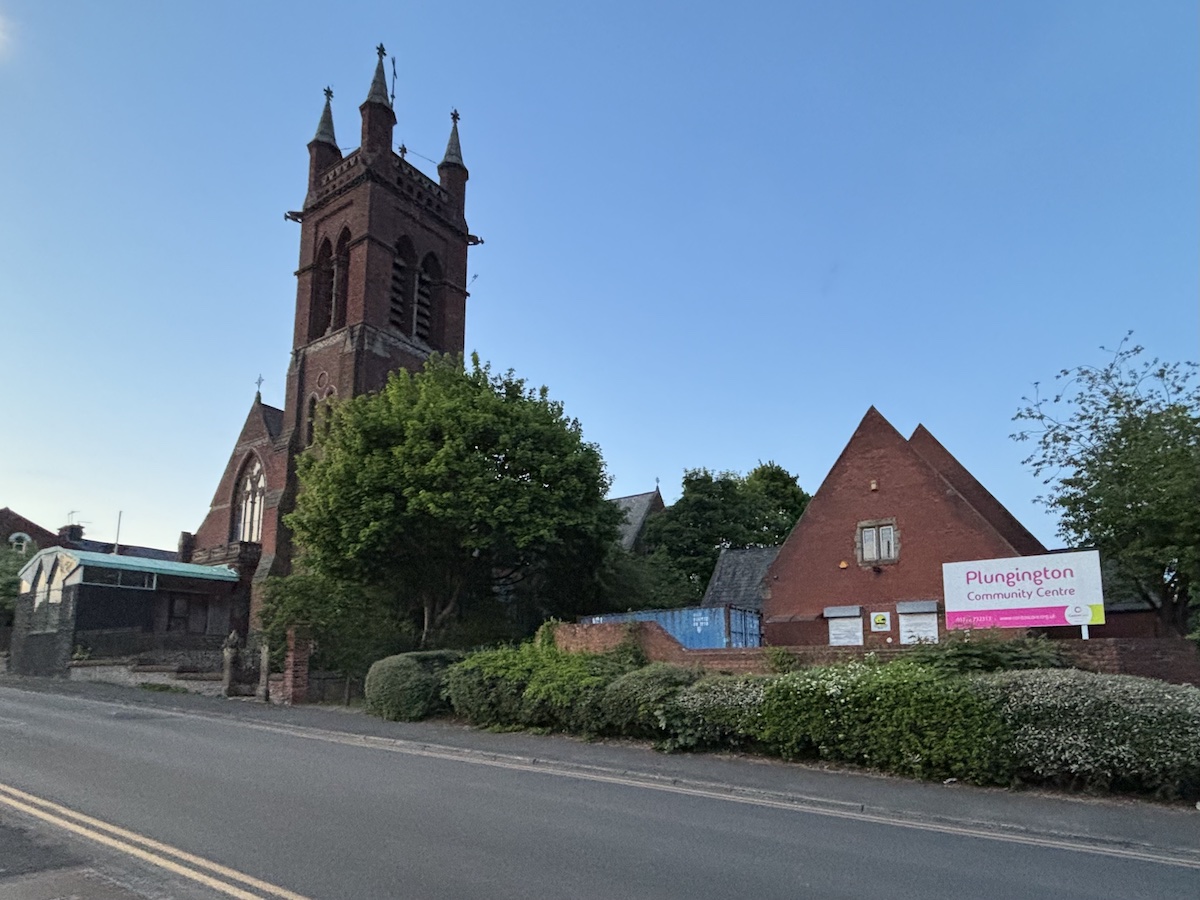
At a launch event at Preston Community Hub in Fishwick on Friday, 27 May, attended by Sir Mark Hendrick MP, Adam Scorer said the charity wants to make a difference to Fishwick residents but warned they were not the only ones affected.
Sir Mark Hendrick MP said: “For years, my constituents in Fishwick have been living in appalling conditions.
“Work that should have improved their homes created numerous problems, with damp running throughout the properties, fungus on the walls and ceilings and intolerable smells.
“For some of my constituents who suffer from respiratory and other health conditions, their health is made worse by the damp conditions.
“It has been a long battle to get the government to take responsibility and fix some of the work.”
The work comes at a crucial time due to the cost of living and the energy crisis.
National Energy Action’s figures show that 6.5 million UK householders are now in fuel poverty since the April price rises, an increase of 2.5 million since last September, which means one in four are now struggling to pay their gas and electricity bills.
For every £1 spent on fuel poverty, £1.27 returns to the economy.
The problems in Fishwick started in 2013 when dozens of householders were selected for the scheme.
External wall insulation was used successfully on many thousands of homes, but in Fishwick, the choice of measures and quality of work was often poor.
Some properties developed severe dampness and mould, and although over 60 properties had work completed to rectify the problems, many remain in an unacceptable state.
National Energy Action has raised funding to help with the first two phases in 2022/23, involving 20 households in phase one and another 20 in phase two.
Duncan Williams, the divisional director of Seddon, said: “We’re delighted to be starting work on this much-needed refurbishment scheme for National Energy Action.
“Fuel Poverty is a worry for many of us, and the Fishwick WASH pilot scheme is a step towards making the charity’s vision of ensuring ‘everyone is warm and safe at home’ a reality.
“The works to the 20 homes in Fishwick are just the beginning of a programme of housing improvement works that will help tackle fuel poverty throughout the Preston area.”
National Energy Action has secured valuable additional support through National Grid’s Warm Homes Fund in partnership with community interest company Affordable Warmth Solutions.
Under the guidance of contract administrators Aldrock, National Energy Action has appointed Seddon Construction as the main contractor through a tender process.
The planning and development of the remediation project are now complete, and work on the first 20 houses should take up to 26 weeks.
But the charity knows that more people throughout the UK are struggling with incorrectly applied energy efficiency measures, and many more are in desperate need of first-time insulation measures.
The project will provide insight on how to undertake energy efficiency work in communities like Fishwick, including how to improve the consumer journey for energy efficiency, especially for those affected by poor quality installations.
It also includes the need for higher quality standards for energy efficiency interventions, how to bring various funding streams together and how to bring together different ways of reducing fuel poverty.
The dispute revolves around plans by the Catholic Diocese of Lancaster for all of the schools it operates in its patch – which covers Central and North Lancashire and the Fylde coast – to adopt academy status.
If the damp insulation is still in place it would be better to remove it and have no insulation; the air in it is the insulator but if it is still damp then it acts as a conductor so will make the property colder. Removing it would also allow air to circulate which will help begin to improve things.
Comments are closed.
Join the conversation
Register to read the full discussion. Comments on this article are closed.
Join the Blog Preston WhatsApp channel to get the latest news and stories from across the city straight to your phone. Stay informed as updates happen and support independent community journalism right here in Preston.








Who owns the houses? Who were the original installers? Who paid for the installation? Why didn’t the payer take legal action?
Why a fuel charity? Why are the contractors not paying.
If the damp insulation is still in place it would be better to remove it and have no insulation; the air in it is the insulator but if it is still damp then it acts as a conductor so will make the property colder. Removing it would also allow air to circulate which will help begin to improve things.