‘Preston Patriots’ protest against refugee support and Hebron decisions outside Town Hall
Preston Patriots made an unexpected visit to Town Hall in Preston.
Get involved in the conversation
Once a common sight, mill chimneys often needed maintenance and repair. The job of steeplejack – made famous by Bolton’s…

 Geoffrey Whittaker

Once a common sight, mill chimneys often needed maintenance and repair. The job of steeplejack – made famous by Bolton’s Fred Dibnah – continued on into the 1970s. G Reed and Sons took care of the chimneys and churches in Preston. In 1925 they issued a promotional brochure. This showed the work that they undertook, which included the steeple of St Walburge’s Church – hence the name steeplejack.

Tulketh Mill chimney was shortened and repaired by G Reed in 1925. The mill still exists and still has its chimney, one of the few survivors in Preston. The mill was built in 1905 for the Tulketh Spinning Company and was designed by an Oldham architect.
The 1925 repairs involved taking down the enormous iron cap and shortening the chimney by 45 feet. In the modern image you can see the reduced height and the rather odd modern cap.
Why were mill chimneys so tall? The main reason was to create as much ‘draw’ as possible for the steam engine boiler. This drew in more oxygen through the fire and created more power. There was also a need to prevent smoke from reaching the ground before it could be dissipated. Finally, tall chimneys became a status symbol with a bigger chimney being more impressive.

G Reed and Sons repaired Preston Town Hall in 1910. The Town Hall was built in 1867 and burned down in 1947. The 1910 repairs included gilding, slating, plumbing and painting woodwork. The building was designed by George Gilbert Scott who was a renowned Gothic revival architect best known for churches and cathedrals. He did, however, design important civic buildings. The Town Hall was built by local builders, Cooper and Tullis.

St Walburge’s opened in 1854 and was enlarged in 1873. It is situated in the Maudlands area of Preston. The spire of St Walburge’s always seems to have been in danger. The spire – which is the third tallest in the United Kingdom, and the tallest on a parish church – is made of limestone with an ironwork top.
The church was threatened with closure in 2007. However due to its architectural interest a stay of seven years was given. In 2014 a foundation was established to raise funds and maintain the building. The spire was repaired by G Reed in 1908 and more extensively in 1924/1925. Harrison Myers Architect and surveyor for Preston complimented G Reed on his magnificent scaffolding for this job.
The spire was also inspected by Fred Dibnah in 2000 for the series Fred Dibnah’s Magnificent Monuments; it was one of his last jobs.
Read more: See the latest Preston news and headlines
Support Blog Preston: Keep our community reporting going and view the website without any adverts too. Sign up for a membership today.
Stay updated: Keep in touch directly with the latest headlines from Blog Preston, join our WhatsApp channel and subscribe for our twice-a-week email newsletter. Both free and direct to your phone and inbox. Help us report too, by contacting us if you see something we should be reporting on.
Read more: See the latest Preston news and headlines
See us on Google: Set Blog Preston as your preferred source so you don’t miss our stories and see us first when you’re searching
Add Blog Preston as a preferred source on GooglePreston Patriots made an unexpected visit to Town Hall in Preston.
Get involved in the conversation
The protesters said today was ‘just the beginning of change.’
Get involved in the conversation
Hayley Carter, who runs Net’s Bar in Gregson Lane, says that people need to adopt a ‘use it or lose it’ mentality to local pubs.

Comments are closed.
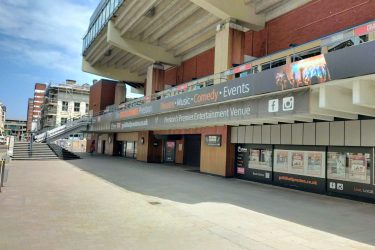

 Our petition calling for Preston to have a major city venue again - as the Guild Hall remains closed View collection
 Subscribe
Proud Preston
502 Articles


 Prestonians doing good and lovely things View collection
Food & Drink Scene
176 Articles
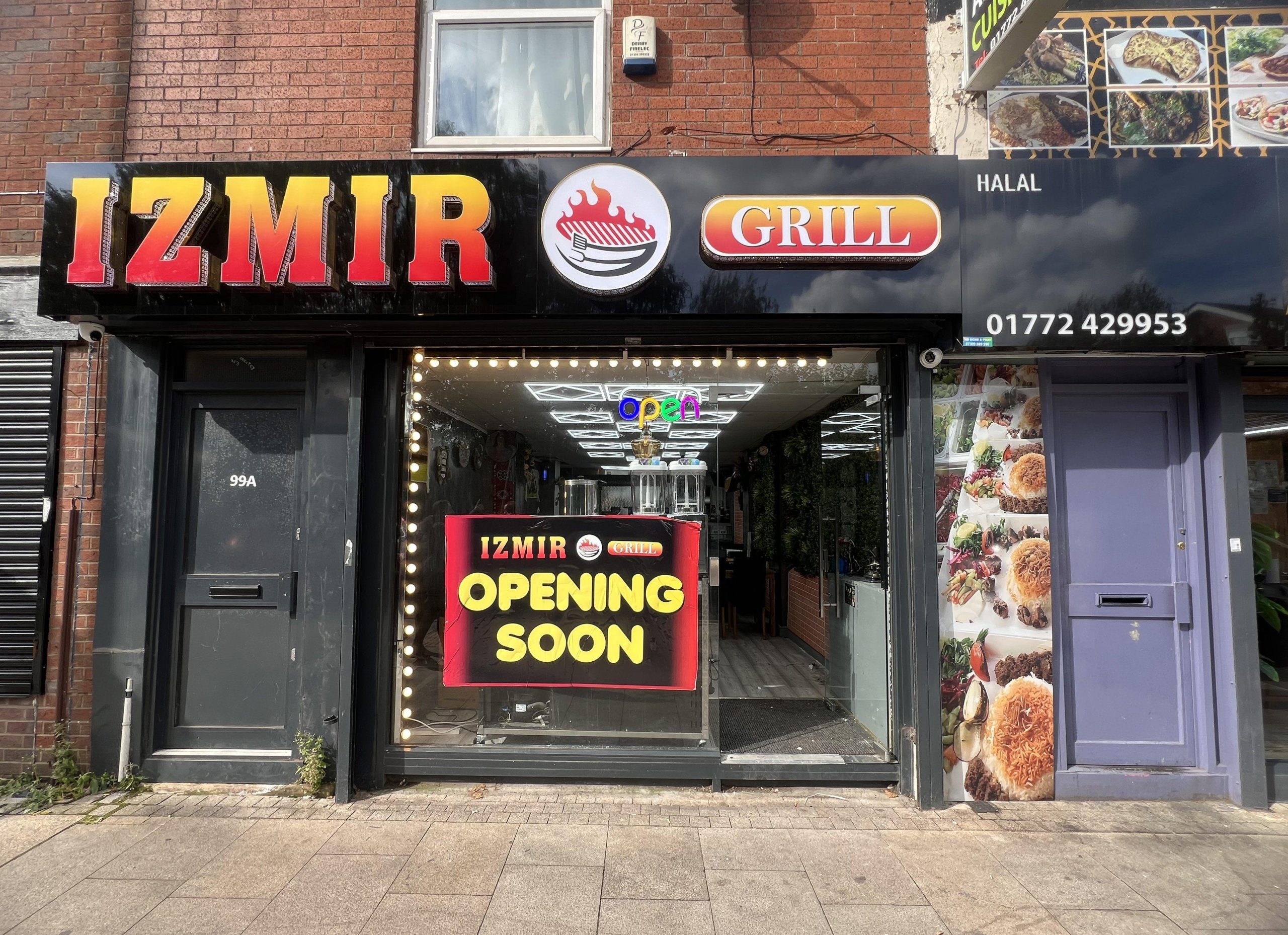

 All the latest food and drink news in the city View collection
Join the Blog Preston WhatsApp channel to get the latest news and stories from across the city straight to your phone. Stay informed as updates happen and support independent community journalism right here in Preston.
Blog Preston WhatsApp Channel
Steeplejacks. Gone but their trade will never be forgotten for their role in industrial Britain. Fred Dibnah was a real gem.
Another very interesting article Thank you.