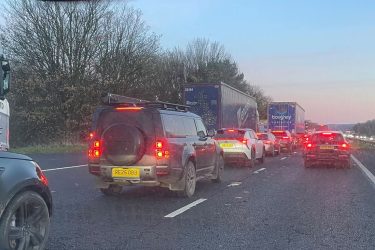
M6 stopped for repairs after lorry crashes into central reservation
One lane is now closed in each direction after initial recovery work.
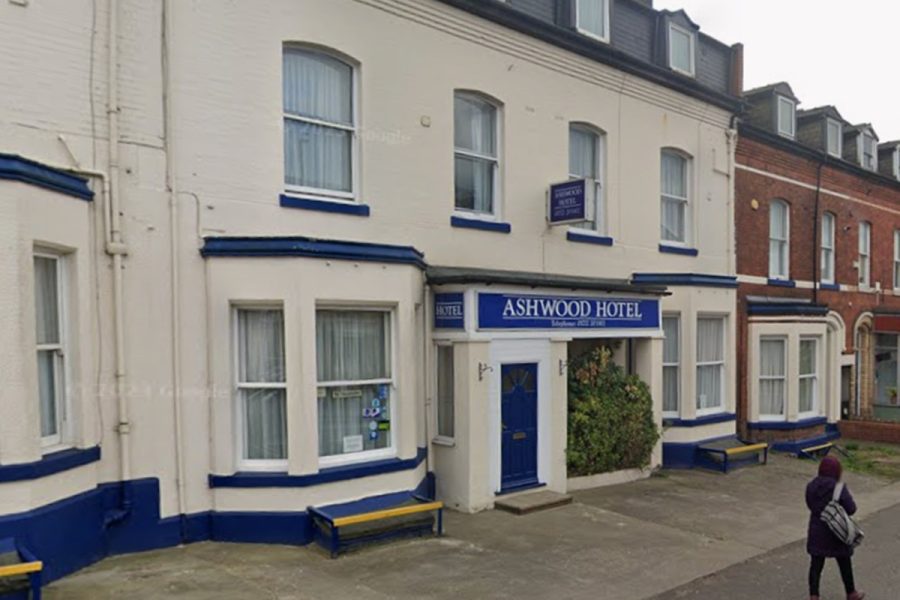
The hotel had been used to house the homeless in recent times – but Preston City Council has opened dedicated facilities.
 Paul Faulkner
BBC Local Democracy Reporting Service
A bid to turn an “unviable” hotel in Preston city centre into a 25-bed house share has been refused – because of the impact it would have on the surrounding area and its future occupants.
Preston City Council planners rejected the proposed revamp of the Ashwood Hotel, on Fishergate Hill, to create a house in multiple occupation (HMO).
An application submitted to the town hall in September suggested that the business – also known as Ashwood House – had been hit by a double-whammy in recent years which had left it commercially unsustainable.
Read more: Friargate works heralded as an example of how high street regeneration should be done
A “decline in occupancy” as a result of “changing market conditions… and shifts in local tourism patterns” had struck the first blow.
The second came from a collapse in demand from the city council itself for homeless accommodation, which had become the hotel’s primary use of late. The authority has recently opened dedicated facilities elsewhere in the city centre.
However, planning officials concluded that the proposed HMO conversion fell foul of the two of the seven criteria by which such developments are judged under local planning policy.
They found that it would be harmful to those living in neighbouring properties and to the character of the area, while also failing to provide sufficient outdoor space for the HMO’s residents.
Meanwhile, they also noted the “particularly high concentration” of HMOs within the city centre ward , where there are more than 300 such properties – including elsewhere on Fishergate Hill.
HMO clusters are “associated with cumulative impacts, [such as] increased noise and disturbance, pressure on parking and waste infrastructure, and effects on community balance and neighbourhood character”, a report setting out the decision to refuse the application concluded.
It added that the “adverse effects” of the proposal on the locality – particularly on “the balance and mix of housing” – were so severe that the plans should be rejected.
While it was acknowledged that the building’s current use as a hotel could give rise to “comings and goings throughout the day”, it was judged that these would be significantly intensified by the switch to an HMO.
“This form of occupation is typically characterised by a higher number of unrelated occupants, who live permanently within the property, with…greater levels of general activity, particularly during evenings and weekends,” the document said.
“Twenty-five residents/households living independently from one another would result in an unacceptable level of disturbance as a result of the number of comings and goings at all hours of the day and night – and within the internal elements of the property.”
The proposal would lead to “increased noise [and] disturbance” – including for those living in the HMO, the authority said.
While a forthcoming policy to severely restrict new HMOs within Preston a part of the new Central Lancashire Local Plan could only be given “limited weight” – because it has not yet been adopted – existing policy was deemed sufficient to reject the planned conversion.
Support Blog Preston: Keep our community reporting going and view the website without any adverts too. Sign up for a membership today.
Stay updated: Keep in touch directly with the latest headlines from Blog Preston, join our WhatsApp channel and subscribe for our twice-a-week email newsletter. Both free and direct to your phone and inbox. Help us report too, by contacting us if you see something we should be reporting on.
Read more: See the latest Preston news and headlines
See us on Google: Set Blog Preston as your preferred source so you don’t miss our stories and see us first when you’re searching
Add Blog Preston as a preferred source on GoogleOne lane is now closed in each direction after initial recovery work.
A report from a House of Lords committee says guidance to other councils should be inspired by Preston
Get involved in the conversation
Preston Patriots made an unexpected visit to Town Hall in Preston.
Get involved in the conversation
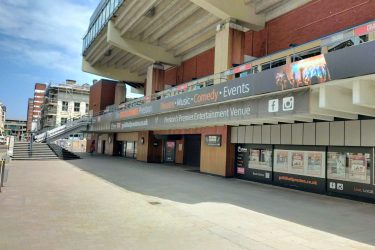

 Our petition calling for Preston to have a major city venue again - as the Guild Hall remains closed View collection
 Subscribe
Proud Preston
502 Articles

 Prestonians doing good and lovely things View collection
Food & Drink Scene
176 Articles
 All the latest food and drink news in the city View collection
Join the Blog Preston WhatsApp channel to get the latest news and stories from across the city straight to your phone. Stay informed as updates happen and support independent community journalism right here in Preston.
Blog Preston WhatsApp Channel
No comments yet. Be the first to join the conversation